Security Camera Installation Across North Georgia
A security camera system should work when you need it, not send you a subscription renewal notice every three months. I design and install IP camera systems for homes and small businesses across North Georgia that you actually own. Your footage stays on your hardware. Cloud access is optional, not required.
Most systems get built on Amcrest IP cameras or UniFi Protect, depending on the scale of the property and what integrates best with your existing network. Cabling is done right, so the first storm doesn't take the system offline.
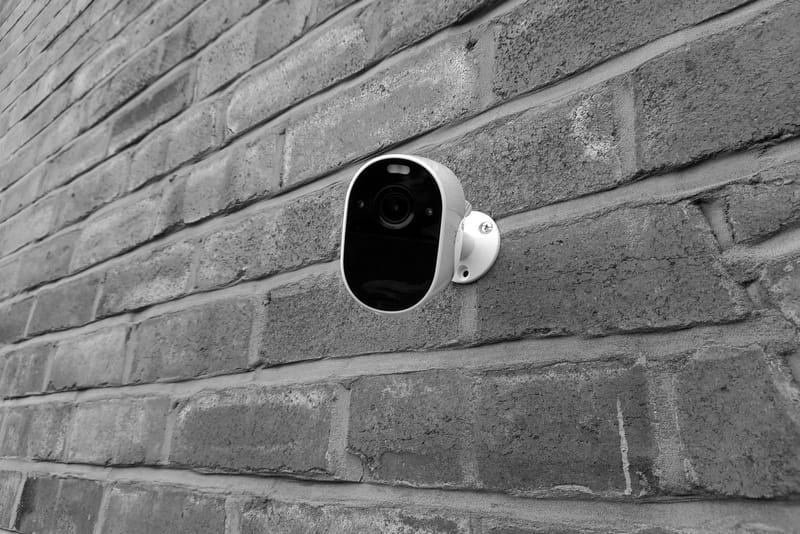
Systems for homes and small businesses.
New home systems
- Full PoE IP camera design and install
- 2K and 4K cameras matched to each sight line
- NVR sized to the retention you actually want
- App setup and alerts on your phone
Retrofits & upgrades
- Replace aging analog and coax CCTV
- Escape failing Wi-Fi kits and rising cloud fees
- Reuse existing cable paths where possible
- Rescue systems that quietly stopped recording
Doorbell & entry
- PoE doorbell cameras that record locally
- Package-theft angles on porches and drives
- Entry-point coverage, front door first
- Chime and intercom integration
Business systems
- Retail, office, shop, and church systems
- 8 to 16+ cameras with 30-90 day retention
- Register, entrance, and stockroom coverage
- Multi-user access with separate logins
Secure remote access
- Remote viewing without opening ports
- VPN or secure relay, never a public NVR
- Cameras isolated on their own network
- Strong credentials and firmware updates
Service & tune-ups
- Repositioning and night-vision adjustment
- Storage expansion and drive replacement
- Motion zones and alert cleanup
- Health checks on systems I didn't install
Own your footage. Skip the subscription.
Cloud camera plans run five to twenty dollars a month, forever, and the price only moves one direction. A local system records to hardware in your house: it keeps recording when the internet is down, nobody can sunset the service behind it, and nobody's data center has your video.
- Local storage. Footage lives on your NVR, sized for 14-30 days at home or 30-90 for a business.
- Records through outages. Wired PoE cameras on a battery-backed switch don't care that the Wi-Fi is down.
- Smart alerts included. Person and vehicle detection runs on the hardware itself, no cloud fee required.
- No contracts. The system is yours outright the day it's installed.
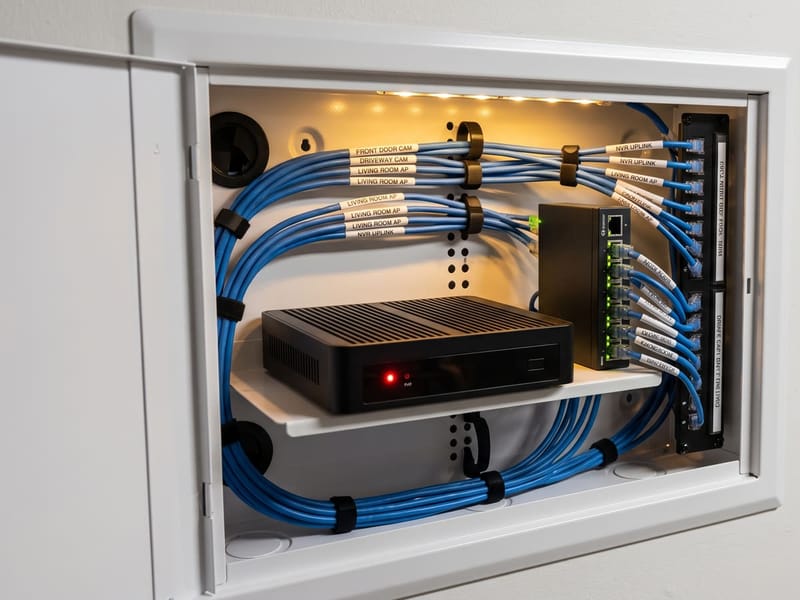
Placement and wiring make the system.
The most common failure isn't the camera, it's the install: mounted too high to identify a face, washed out by a porch light at night, or fed by Wi-Fi that drops right when it matters. I mount at heights that identify people instead of hats, verify night performance before I leave, and run every camera on wired PoE.
Neighbors and HOAs are handled too: discreet mounting, tidy routing, and privacy masking so your cameras see your property and not through anyone else's windows.
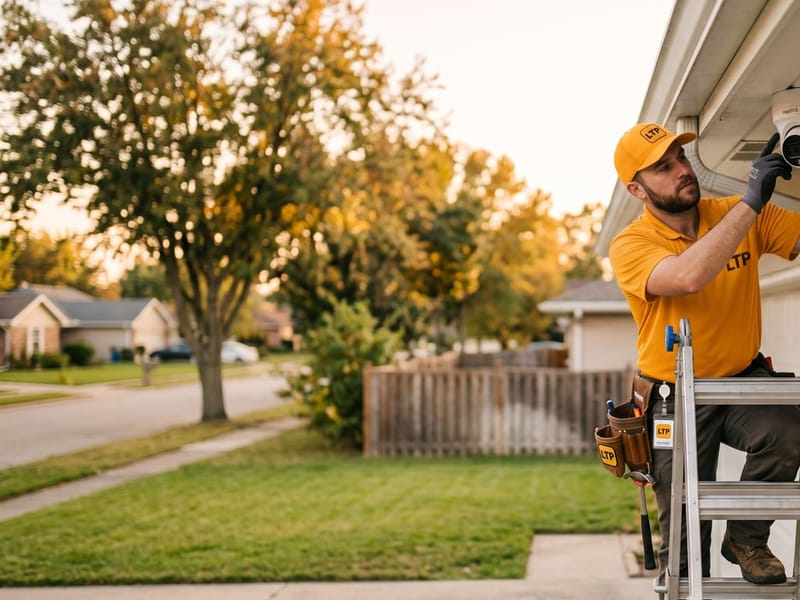
From first call to finished work.
Free site walk
We walk the property together and map what you actually want to see: entries, driveway, blind spots, lighting, and network access.
Design & fixed quote
Camera count and placement, resolution and storage sized to your retention, cable routes, and one itemized flat price. No contracts.
Clean install
Labeled Cat6, weatherproof terminations, cameras aimed and focused, motion zones and smart detections configured on the spot.
Handoff & training
The app on your phone, live view and playback demonstrated, alerts tuned, and every login documented and owned by you.
Frequently asked questions
Will I be required to pay a monthly subscription?
No. Systems I install record to local storage (NVR, network share, or on-camera SD). Cloud features are available if you want them but are never a requirement.
Wired or wireless cameras. Which is better?
Wired PoE wins for anything permanent: one cable carries power and video, there are no batteries to die and no Wi-Fi dropouts, and it supports true 24/7 recording. Wireless has its place for renters and temporary spots, but it's also the number one source of DIY camera frustration.
How many cameras do I need?
Most homes land at three to five: front door, driveway, back yard, and a side yard or gate. The front door matters most since roughly a third of break-ins happen there. A site walk settles the real number. Fewer cameras placed well beat more cameras placed badly.
How long is footage kept without the cloud?
It depends on drive size, resolution, and whether you record continuously or on motion. As a rule of thumb, homes are sized for 14-30 days and businesses for 30-90, and motion-only recording stretches retention roughly three times further. I size the drive to the retention you want, not the other way around.
Can I view my cameras remotely?
Yes. Typically via a secure tunnel (Cloudflare Tunnel, Tailscale, or the vendor's native app) rather than opening ports on your router. That keeps the cameras off the public internet.
Is it legal to record audio in Georgia?
Georgia is a one-party consent state, but a camera recording conversations you are not part of can still cross the wiretap statute. Many installs simply disable microphones on cameras facing areas where other people talk. I'll walk you through the sensible settings for each camera location.
Which camera brands do you work with?
Most often Amcrest, UniFi Protect, and generic ONVIF-compatible gear. If you already have a brand in mind I'll tell you honestly whether it's worth installing.
Can you replace an existing security system that's stopped working?
Yes. Retrofits are common, especially for systems where the cloud vendor went out of business or the NVR has failed. I can often reuse existing cabling.
Based in Canton, GA, installing surveillance systems across North Georgia and the greater Atlanta metro — Woodstock, Alpharetta, Marietta, Gainesville, Cartersville, and anywhere within about an hour.